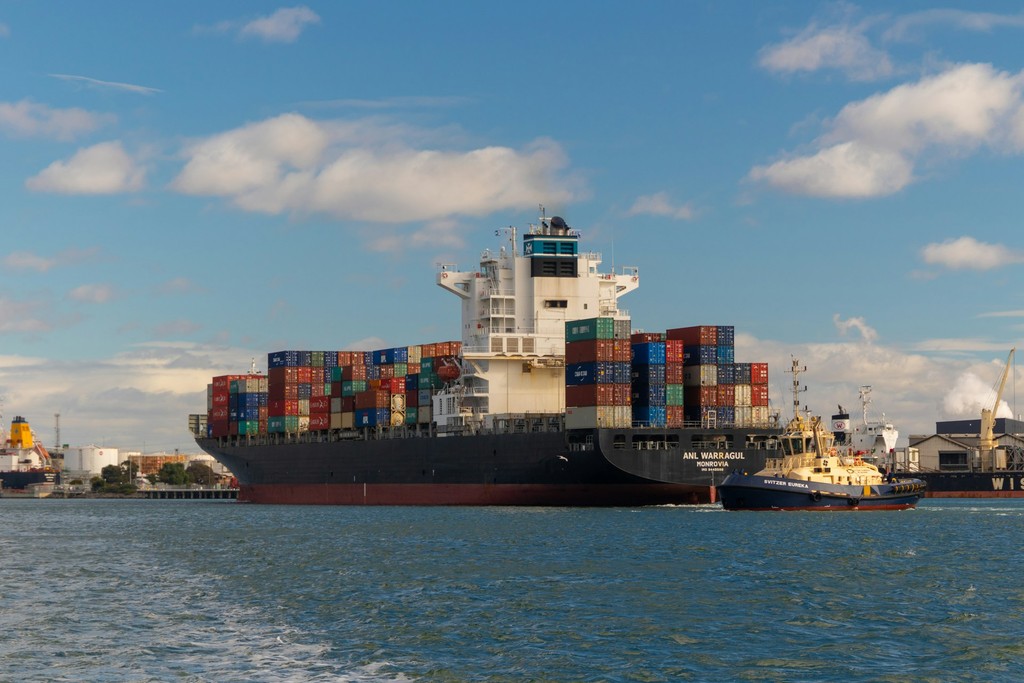
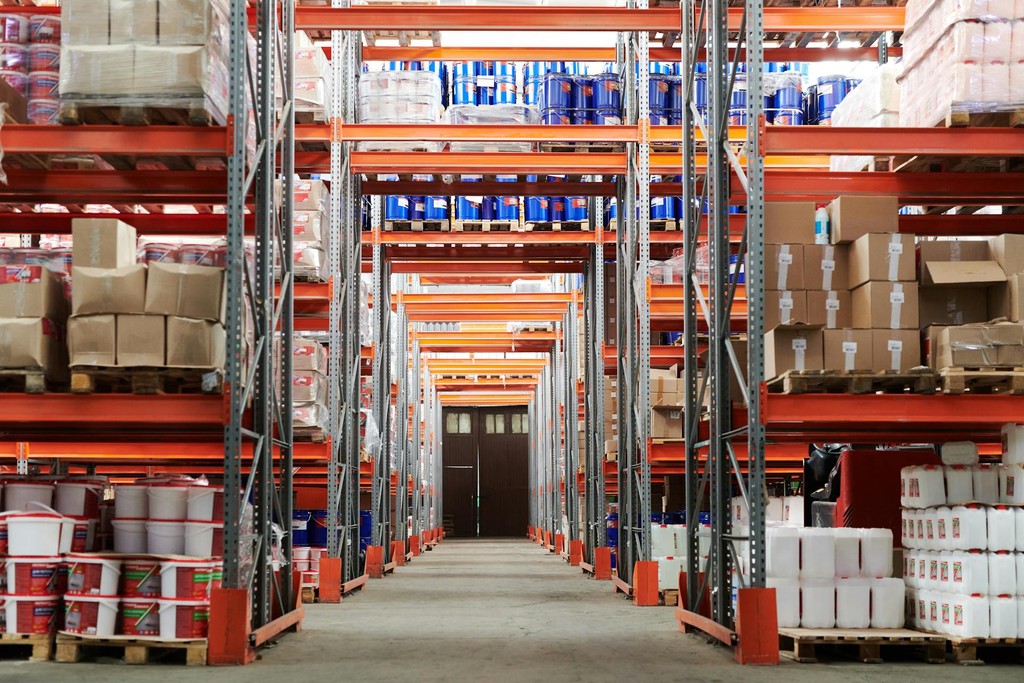
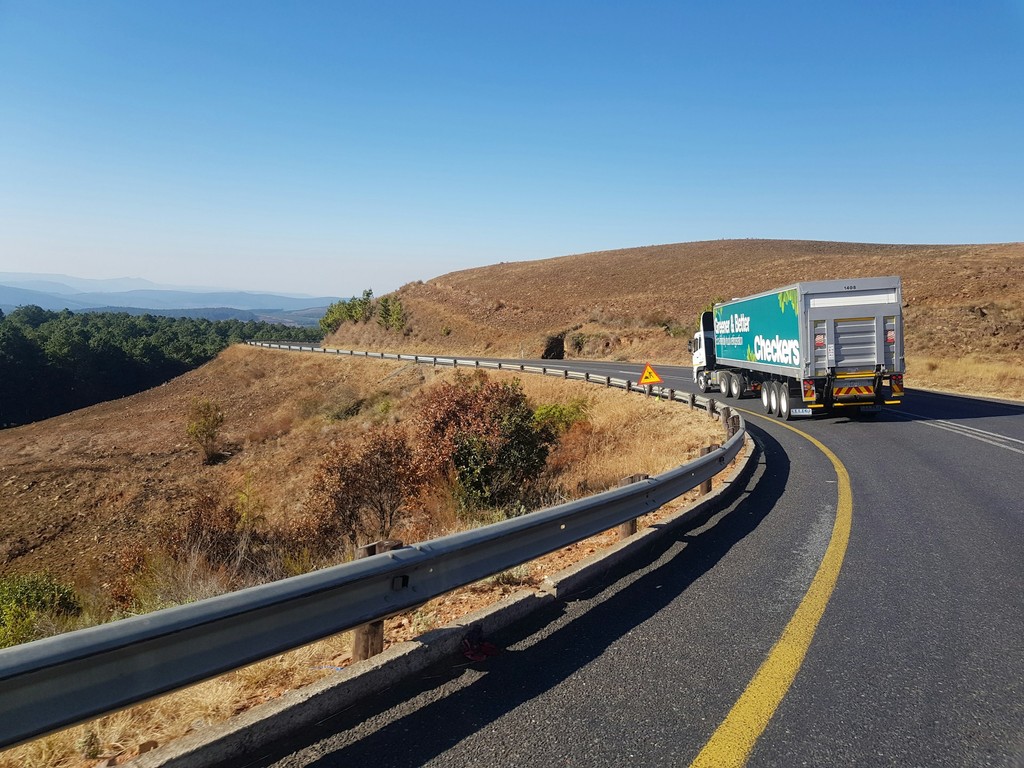
The Middle East is becoming a global logistics hub. As trade expands, businesses are shifting from single-mode shipping to multi-modal transport — a combination of air, sea and land operations. This model is shaping the future of regional supply chains.
What is multi-modal transport?
It’s the movement of goods using two or more transport modes under a single contract. For example: sea freight → road transport → air cargo.
Benefits of multi-modal shipping
- Faster delivery. Combining air and road shortens transit times significantly.
- Lower total costs. Optimized routes reduce fuel consumption and port congestion fees.
- Higher flexibility. Cargo can switch modes depending on urgency or market conditions.
- Better risk management. If one route is delayed, an alternate mode keeps delivery schedules intact.
Why it matters for the Middle East
- GCC countries have advanced road networks
- Major ports like Jebel Ali and Dammam act as global transit hubs
- Air freight centers in Dubai and Qatar boost connectivity
Industries benefiting most
- Pharma
- Retail
- Automotive
- Construction
- Oil & Gas
Multi-modal transport supports faster, safer and more efficient regional trade. Falcon Freight offers integrated solutions combining sea, air and road under one coordinated system.